TU Delft, course exploring interactions 2019/2020
Individual project
How can the benefits of the smoking ritual be transfered to non-smokers?
This was the question I formulated after observing the smoking area outside clubs. It felt as if there were very nice sides to the smoking ritual that were unattainable to non-smokers. How could this be changed? The solution I came up with was a handwarmer, that demanded similar interactions as those I had observed in the smoking ritual. To test whether my version had the desired effect, I took an interactive prototype with me into the real context. What that looked like can be seen in the video below, followed by the process on how I got there. To go directly to an explanation of the final design, press the button!
Defrost


The process
Research
The assignment was to pick a very specific context and observe what was happening there. We had to see what was happening and come up with a design intervention that would fit that specific context and make it better. After some exploration I zoomed in on smoking area outside clubs and parties. As a non-smoker, this was completely unknown territory to me.

Chatting with a lot of people 
See what it is like for myself 
In-depth generative interviews
What I found out was that there was something very nice and intimate in the ritual of smoking, However, I also found out that smoking had a physical component that would be very hard to design away. Therefore the Design Goal became:
I want non-smoking people outside a club
to have better, deeper and more relaxed
conversations with their friends in order to
have a greater sense of relatedness.

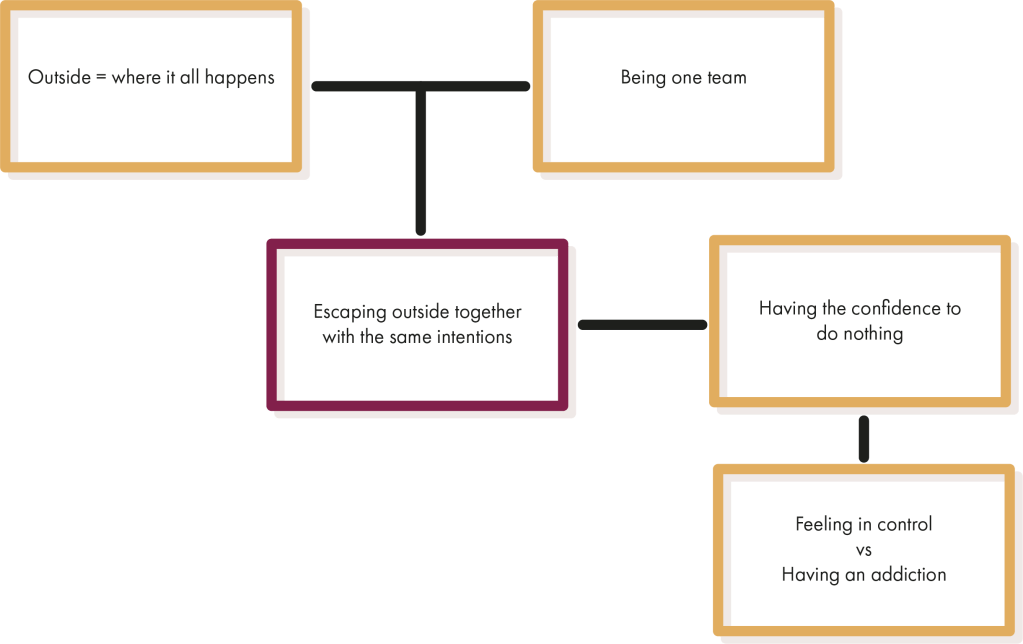
Next to having a Design Goal, the qualitative research also led to a lot of insights, that were clustered in the image below. The area where I believed I could add the most value was through looking at how people escape the party with the same intentions. Underlying this cluster was the insight that smokers only ask other smokers to go with them outside, because they know they are going to do the same thing, so it will
“I have stopped smoking, but if I want to hear a really good story I am willing to go for a smoke”
“I hated when my friend stopped smoking, because we lost that special moment we’d always shared together”
“Smoking is cool, so whatever you design, it also has to look cool”
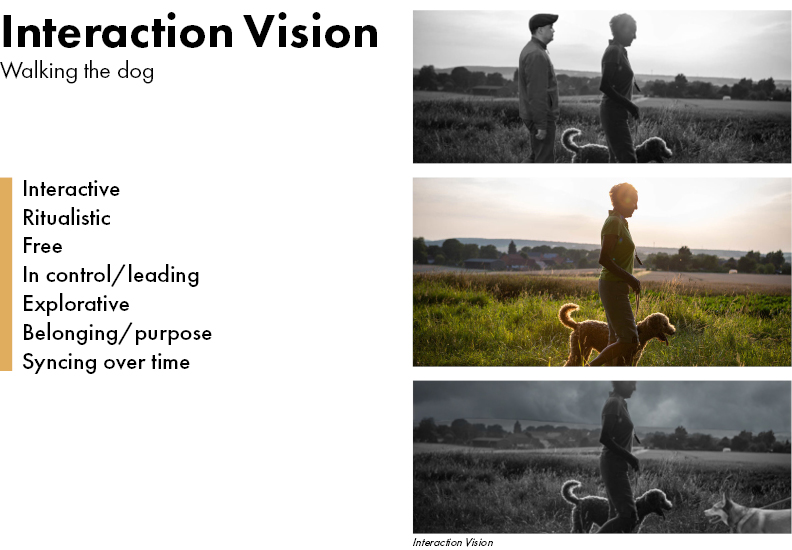
A Interaction Vision was created which was a situation in a completely different domain, but which had all the interaction qualities that were desired in the solution. For this project this was walking the dog, because you know more or less what is going to happen but never exactly, you might be surprised. Furthermore there is an interesting dynamic between you and the dog, pushing and pulling each other when being outside.
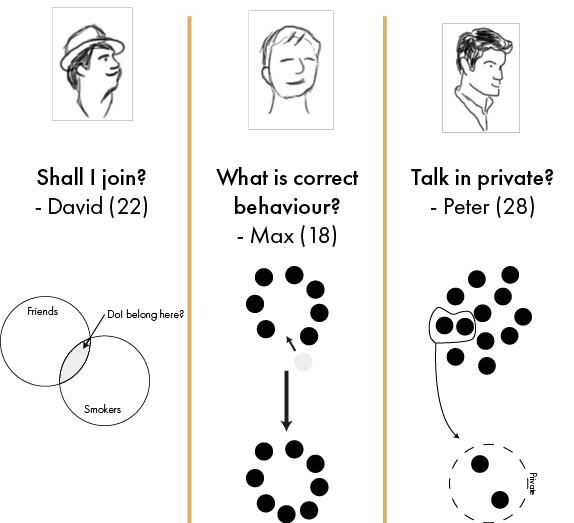
From out research I found three personas for people who were standing outside, and each of them with different needs, desires and fears. Why are they outside, and what to they want to get out of this interaction? These persona’s were used to come up with some design interventions.
Concept Development
After the research phase several design interventions were placed into the context to see what could and what could not work. These interventions were really small and quickly build, but delivered rich insights into additional requirements and human behaviour.
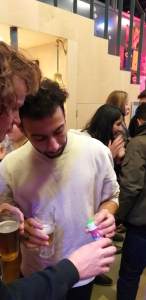
Doing something together is fun 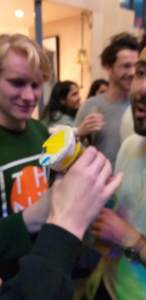
Drunk people want quick results 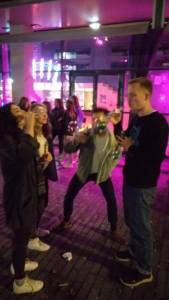
Fun is a important factor 
Not everything goes as expected 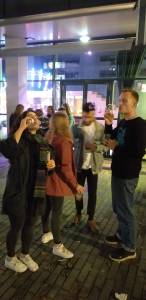
Everything can be a competition
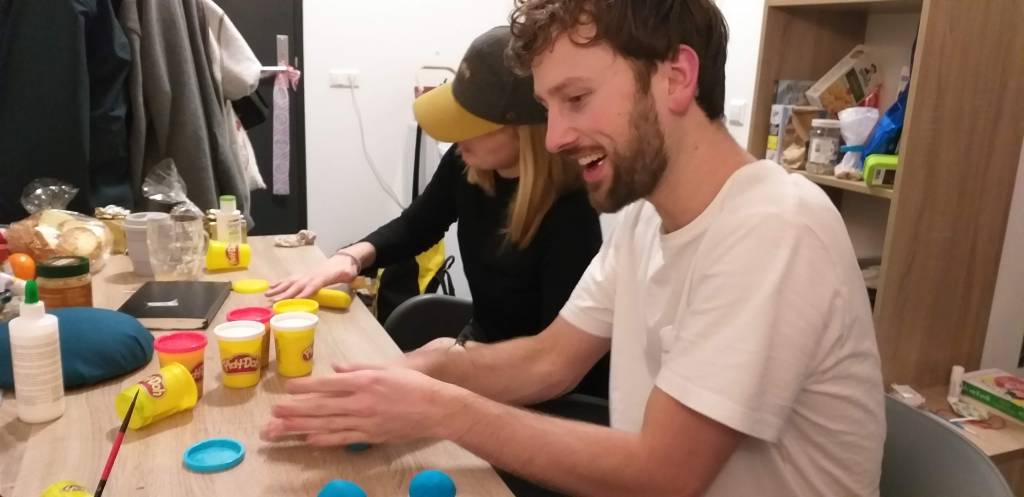
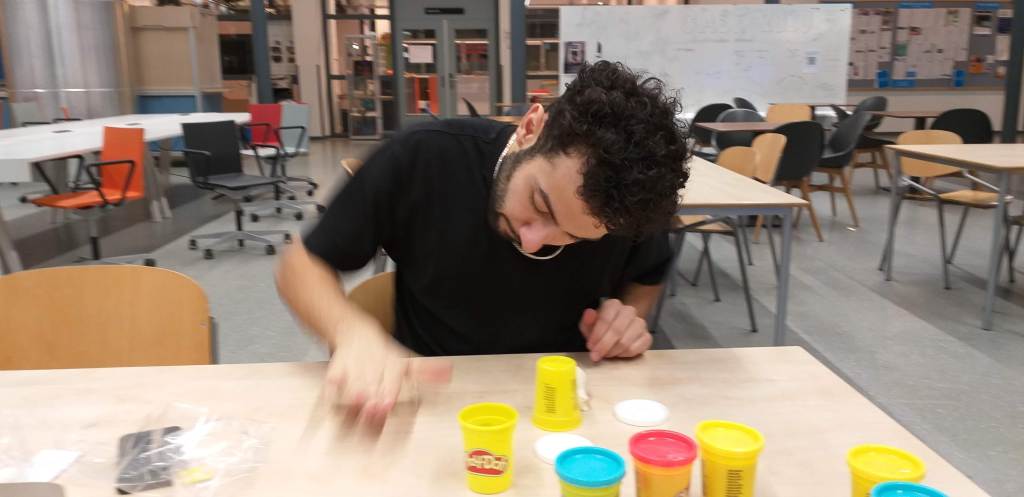
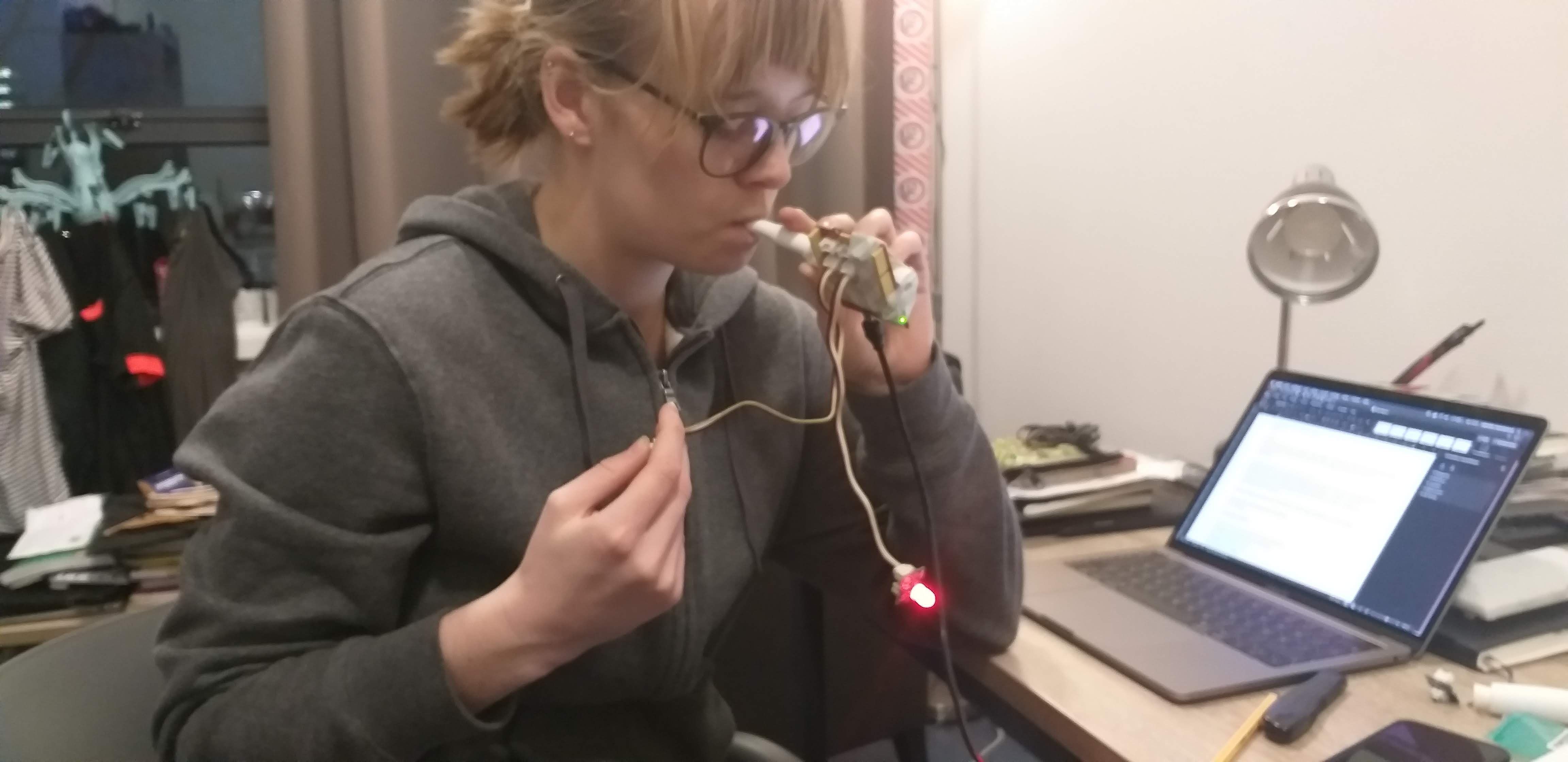
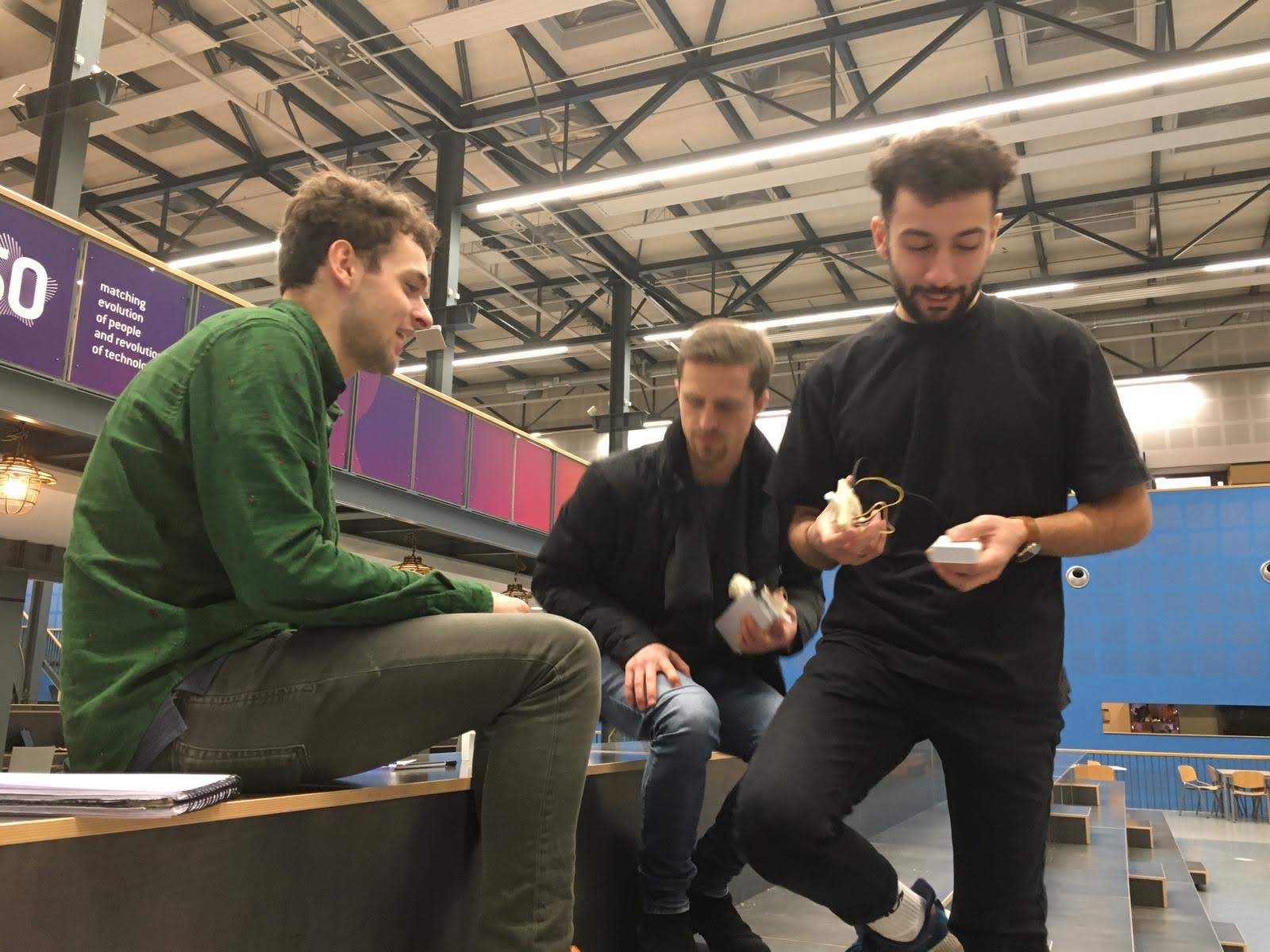
All these insights were grouped and after some ideation the decision was made to go for a handwarmer, that would be powered by blowing on it. In order to reach the target group and come to a design that would be comfortable for users to handle, two co-creation sessions were held using clay as a way to find a design that was both “cool” and userfriendly. Furthermore, it also delivered even more insights into peoples desires and expectations.

Iterative Development proces
From this followed an iterative proces in attempting to better the design I had at that point, but why speak when it can be shown?



Final evaluation
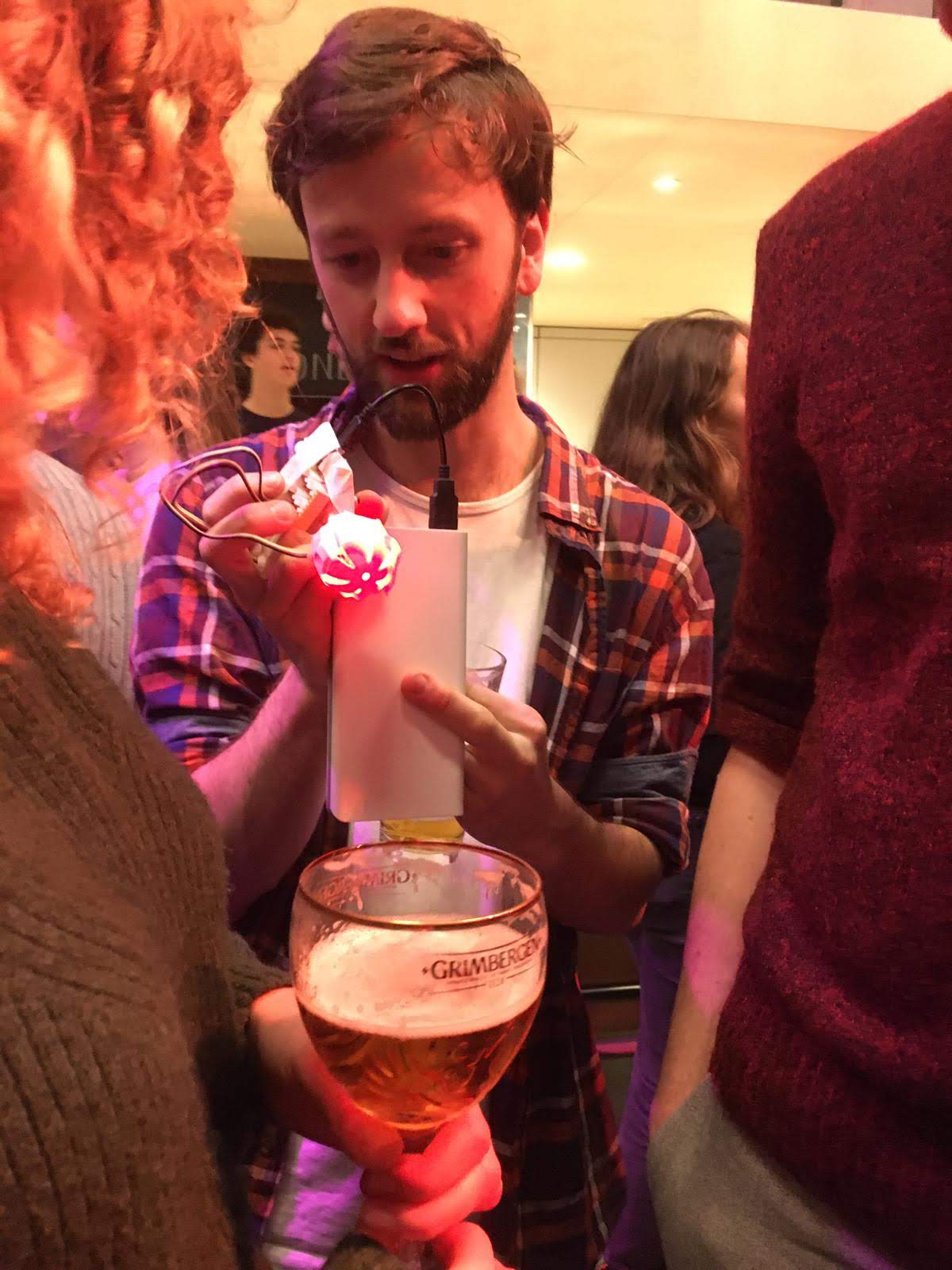
After the design had been finalised, it was important to go back to the original context, and really make sure that it fitted there. For this assessment, several people got a prototype they could use for a while. This way the new interaction could be observed in the real context. In order to triangulate the observations there was an evaluation with participants. It contained both a qualitative interview, and a form with semantic differential scales, in which participants would fill in how well the design matched the Design Goal and Interaction Vision. This final evalution was structured in future development recomendations.



Defrost
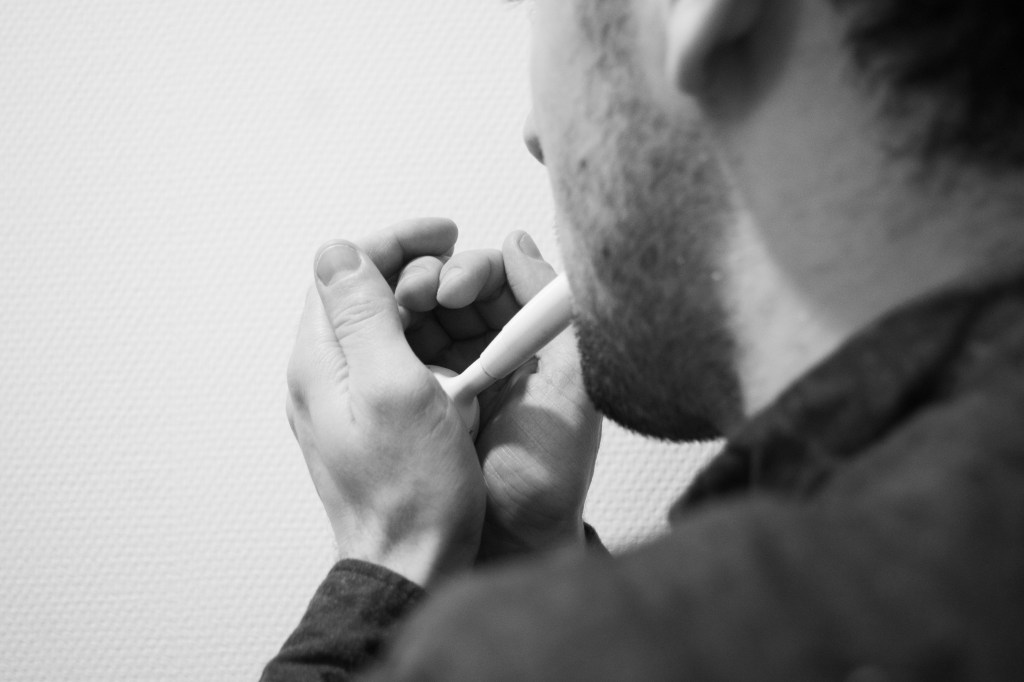
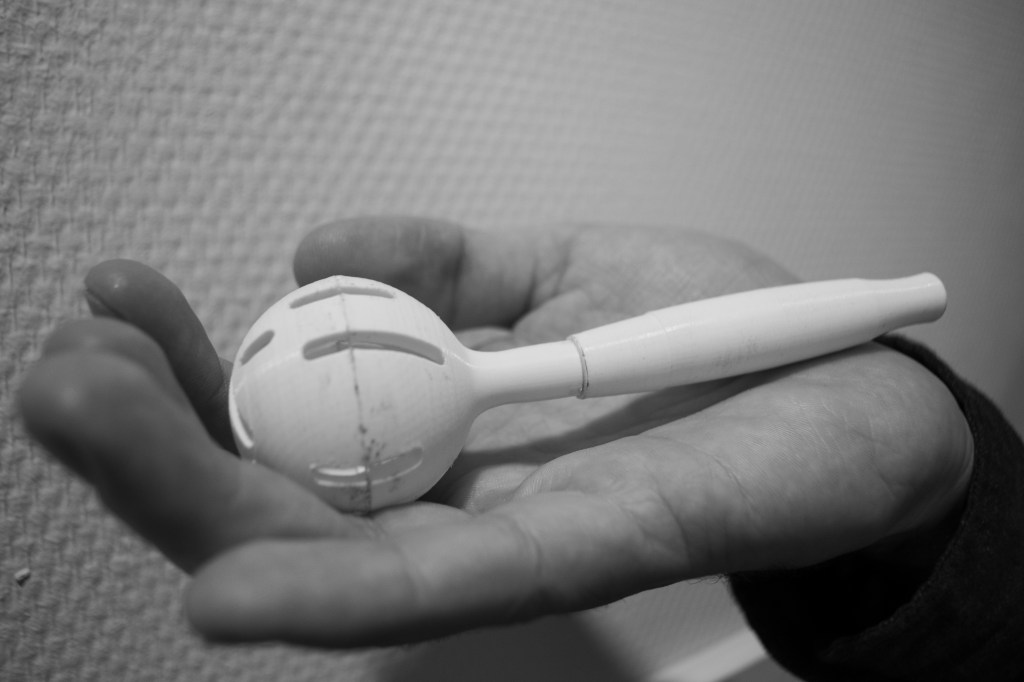
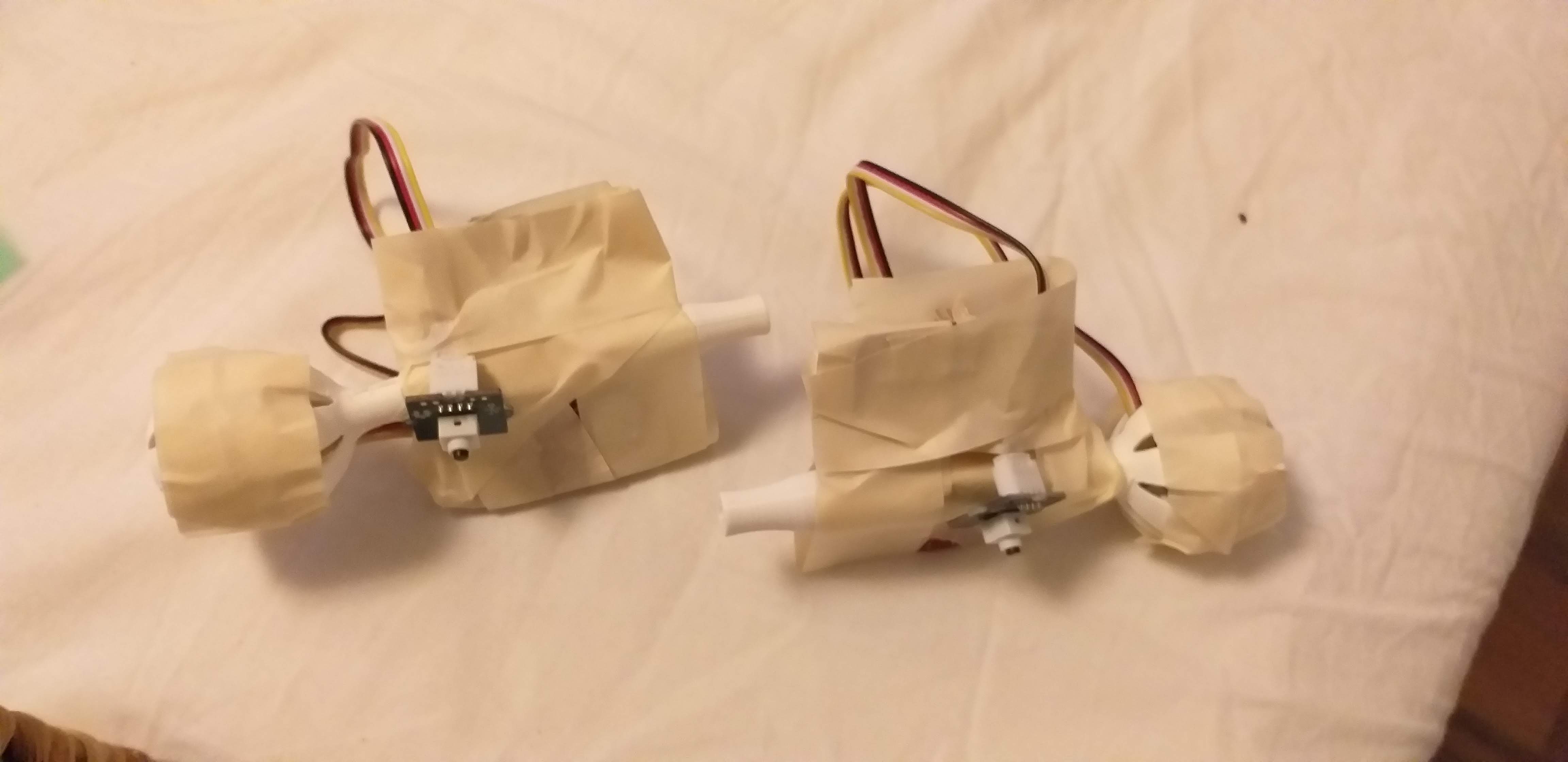
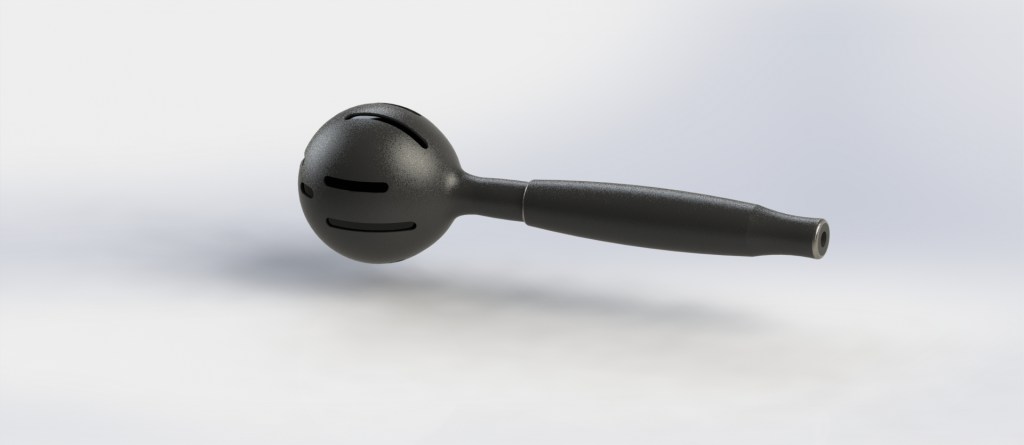
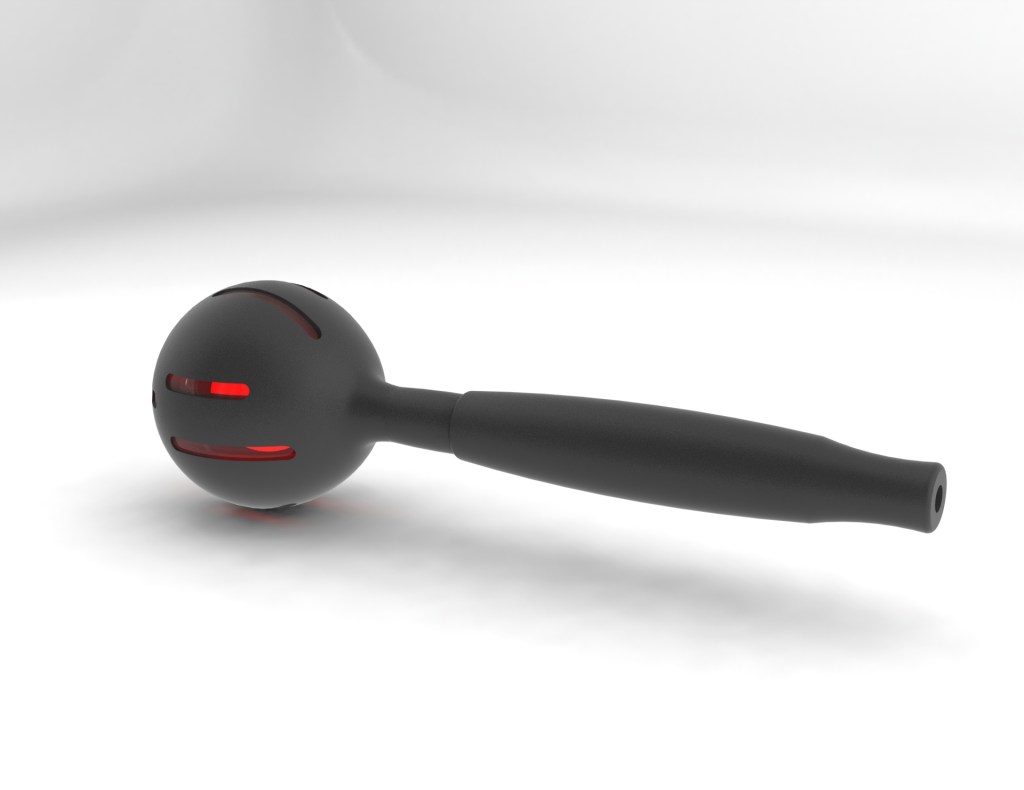
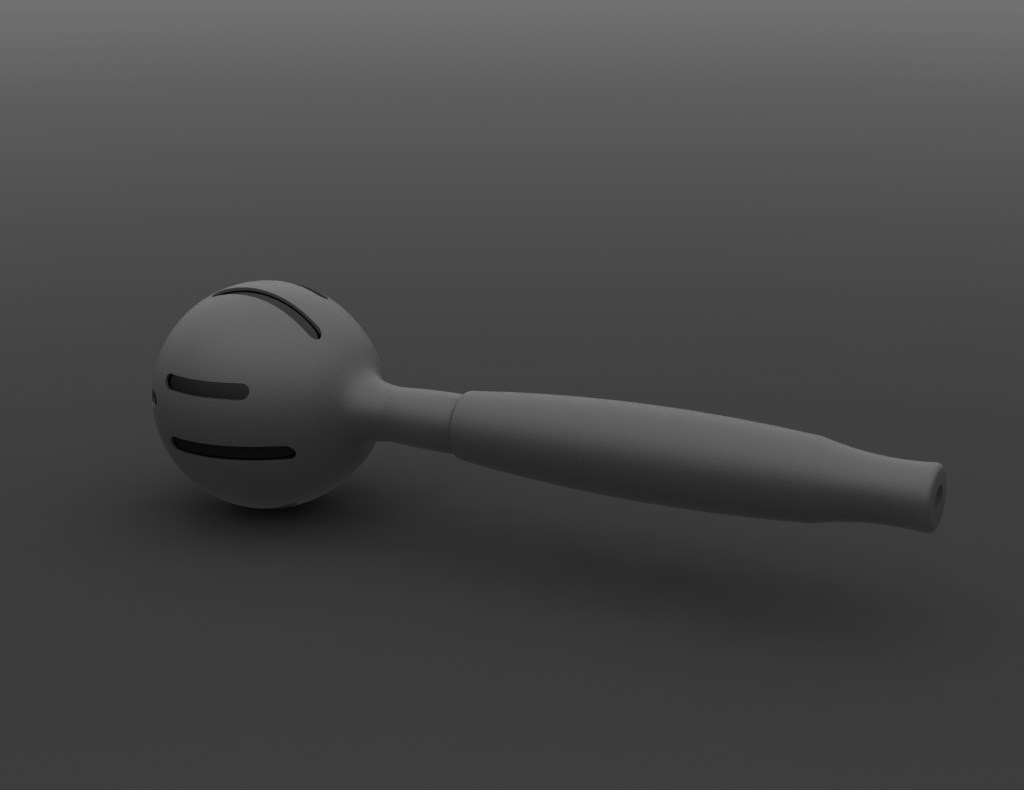
What: A hand warming device that is powered by breathing into it. Generating a new ritualistic practice.
Where: Outside clubs, in the break/smoking area.
Who: Non-smoking people outside clubs
When: Outside (partying), especially in winter
Why: Transferring the positive aspects of the smoking ritual to non-smoking people
How: A device that heats up when you blow into it, thereby giving the user something to do, somewhere to leave his hands. It helps them to have a more open body language, warm hands and a purpose while being outside. This to eliminating a feeling of intrusion or being judgemental. Furthermore it gives the user a specific timeframe for the conversation. Blowing into a straw also generates a sense of calm and relaxation, as smoking does. It is a good distraction to fill potentially awkward silences with. The light gives a sense of feedback and instant gratification.
This all might lead to having better, deeper and more relaxed conversations with friends in order to have a greater sense of relatedness.



Let’s create something wonderful together.
 Daan Gehlen